What makes some people believe that our beautiful planet is divided by strict borders, with places where certain people aren’t allowed to live or even enter? When will society understand that diversity, unity, and inclusion drive evolution? Why are we, as a collective, still so territorial and nationalist?
Fighting over borders and differences has only ever caused pain and destruction. Migration and multiculturalism are essential parts of our shared human story, yet they remain sources of conflict, stigma, and prejudice.
I am an immigrant, and I often reflect on these things because I can’t imagine a world where I’m forbidden from exploring my home planet, falling in love with another culture, another land, or a person from another land, and building a life where I feel I belong.
Why did I migrate?
People migrate for many reasons. Mine was to follow my heart and seek a better life. In Latin America, we grow up immersed in the “American Dream” (though it should really be called the North American dream, as they seem to have claimed the whole continent). That dream feels especially powerful when you grow up amid inequality and poverty.
I was raised in a favela in Brazil. I wasn’t poor myself, but I lived surrounded by poverty, lack of infrastructure, and limited educational opportunities. At the same time, I interacted with more privileged circles and witnessed inequality firsthand. I moved between these two worlds, always seeking a broader understanding and dedicating myself to education and self-awareness. I knew that version of reality wasn’t for me. I wanted to explore, to see what else the world had to offer, and perhaps build a better life in a more developed country.
So I did. I traveled, joined exchange programs, learned new languages, and widened my view of the world. Those experiences shaped me into the open-minded, inclusive, respectful, and optimistic person I am today.
Studying Abroad in Canada
My ultimate plan was to study abroad. Like many aspiring migrants, I initially dreamt of the United States, but after thorough research, I realized it wasn’t the best choice. The rising anti-immigrant sentiment, post-graduation uncertainties, and high costs led me to choose Canada instead.
I quickly fell in love with Canada. Unlike the U.S., the Canadian government welcomes immigrants (especially skilled and educated individuals), which suited my path perfectly. The structured, transparent immigration process after graduation was a huge incentive. I knew, deep in my soul, that this was the right choice. And I went for it. I’ve also shared my experience and tips in my blog posts: College in Canada for International Students and How to Immigrate to Canada.
Challenges an Immigrant Faces
My experience in Canada has been overwhelmingly positive: from the welcoming community to the smooth immigration process, with only minor exceptions. Still, immigration comes with challenges that go beyond paperwork. There’s the emotional weight of nostalgia and the internal battles you face. Every choice comes with loss, sometimes equal in measure, sometimes not. Even with courage, cutting ties with your roots and coping with distance is never easy. You can start to feel as if you don’t fully belong anywhere.
When you immigrate as an adult, particularly, you carry a lifetime of culture, memories, and experiences from your homeland, which make up a part of you that can never be replaced. That heritage forms an unfilled space within you, but it also gives depth and strength to who you are.
Following your dreams to live abroad and build a better life comes with a price. We choose to pay it, but that doesn’t mean we must forget where we came from. Every immigrant should be proud of their roots and celebrate them. They’re part of our identity and can never be erased. Forward-thinking societies recognize that immigrants’ backgrounds enrich their culture, knowledge, and perspective.

Conclusion
Returning to my initial questions, we still have a long way to go before achieving a truly open and inclusive global mindset. As humanity evolves, we’ll come to understand that inclusivity makes us stronger. Until then, all we can do is persist and keep speaking out.
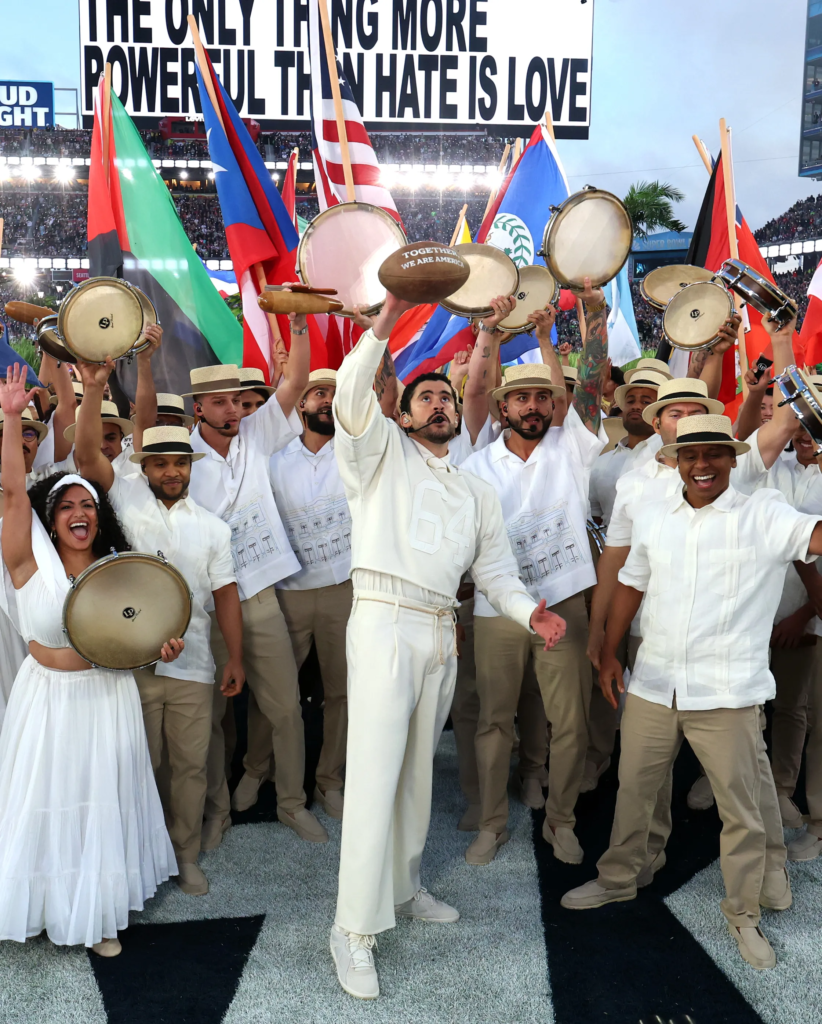
Bad Bunny’s Super Bowl LX halftime show was a perfect example of that spirit. It celebrated Latin American culture and highlighted what it means to embrace one’s roots while succeeding abroad. As a fan of his music and activism, I felt deeply moved by the message: it’s okay to migrate, thrive, and still honor who you are and where you come from.